










A Collector’s Guide to Enamel Pin Series and Sets

Seasonal Drops and Rare Finds: Navigating Enamel Pins Collections
Enamel pins began as tiny, practical accessoriesâ€"a way to label a bag, decorate a jacket, or commemorate a favorite character. Today, they’re a thriving micro-economy, culture, and art form. For collectors, seasonal dropsâ€"the limited releases tied to holidays, collaborations, and artist showcasesâ€"are both a thrill and a challenge. The most coveted pieces often hide behind queues, raffles, and early access programs, turning a casual hobby into a sharp, strategic pursuit. If you’re new to enamel pins or you’re trying to level up an existing collection, this guide will help you navigate seasonal drops and chase rare finds with confidence, care, and joy.
Understanding Seasonal Drops: Why They Matter
Seasonal drops are time-bound releases that create anticipation and scarcity. They matter for several reasons. First, they establish a rhythm. Pin creators cycle through themesâ€"seasonal flora for spring, spooky motifs for autumn, festive icons for winter holidaysâ€"to keep fans engaged and to align with broader retail calendars. Second, drops act as a form of storytelling. Each season offers a narrative thread, whether it’s a collaboration with a beloved artist, a tribute to a local landmark, or a reinterpretation of a classic character in a new colorway. Third, scarcity drives desirability. The fewer copies produced, the more likely a pin will become a “grail†itemâ€"something collectors chase for years or decades.
From a collecting perspective, seasonal drops provide predictable opportunities to assess your interests, learn the market, and refine your wish list. They also test your discipline. The thrill of a successful purchase can be as satisfying as the pin itselfâ€"the moment you navigate a store queue, a raffle, or a timed drop and emerge with a piece you’ve loved from the moment you saw it. But the same mechanism that creates excitement can also lead to impulse buys and heartbreak if you chase everything without a plan. The key is balancing enthusiasm with strategy.
Mapping Your Collection: Goals, Themes, and Categories
Before you start chasing every drop, sketch out your collection’s goals. What do you want your pins to say about you? Do you aim for a cohesive visual theme, like space, flora, or retro toys? Or are you more excited by artists’ personal stories, limited editions, and collaborations? Clear goals help you assess each release quickly and avoid over-investment.
Organize your pins into practical categories. Common approaches include:
- Favorites and “keeper†pins: the pieces you’d rescue from a fire, or the ones that spark joy every time you wear them.
- Edition and variant pins: colorways, glow-in-the-dark versions, or metallic finishes that come in limited numbers.
- Collaborations and artist pins: items that tell you something about the creator, the studio, or the community.
- But-for-now-limits: pins you plan to trade or resell to fund new buys, or to fill gaps in your display.
Having a living document for your goalsâ€"whether it’s a spreadsheet, a notebook, or a dedicated tracking appâ€"keeps you honest about what you buy and why. You’ll be surprised how quickly your preferences crystallize when you write them down.
Quality, Rarity, and Value: Decoding the Pin Marketplace
Rarity is the bedrock of value in enamel pins, but it’s not the only factor. Understanding what drives a pin’s value helps you distinguish between a must-have and a “nice-to-have.†Here are the core elements to consider:
- Edition size: The smaller the run, the more scarce a pin is. Many drops religiously publish a limitâ€"sometimes only a few hundred units or even fewerâ€"creating a sharper value curve as the release ages.
- Variant and colorway: A single design can exist in multiple versions. Limited variants (glow-in-the-dark, pearl finishes, metallics) often carry higher late-market value, especially if the colorway is iconic or tied to a beloved event.
- Backing and packaging: The assembly of the pin, the quality of the enamel fill, the strength of the clutch or magnet, and the design of the backing card all signal longevity and collectability.
- Artist and brand reputation: Pins from established indie studios or renowned artists often command premium, not just for the design, but for the story and trust behind the maker.
- Event tie-ins and storytelling: Drops that capture a cultural moment or celebrate a cross-brand collaboration can appreciate in value as the narrative deepens in collectors’ memories.
When evaluating a potential addition, look past the surface. Inspect the enamel fill for consistency, the metal edges for smooth lines, and the overall finish. If you’re shopping online, check photos from multiple angles, read the product description about materials and backing, and verify return policies. Documentationâ€"like a certificate of authenticity for high-end lines or a clear brand statement for artist-run dropsâ€"adds confidence to a purchase.
Strategies for Securing Seasonal Drops Without Losing Your Mind
Seasonal drops can feel like a sprint. The right approach minimizes stress while maximizing probability. Here are practical strategies that work for most collectors:
- Build a drop calendar: Mark drop dates and times for your favorite shops. Note time zones, pre-order windows, and any rerun opportunities. A simple calendar reminder can prevent panic buys.
- Subscribe to official channels: Email newsletters, Instagram posts, Discord servers, and shop alerts often announce drops, restocks, and raffles. Follow the brand, artist, and retailer accounts you trust, and turn on notifications if possible.
- Use official raffles and waitlists: Many launches operate via raffles or limited-time reservations. Prepare by following entry instructions precisely, completing required fields, and meeting eligibility criteria before the clock runs out.
- Prepare a fast, reliable checkout workflow: Have your shipping address, payment method, and billing information saved. Use a trusted browser with autofill enabled and consider two-factor authentication for your account if the platform supports it.
- Segment your purchases: Decide in advance what you’ll buy for your personal collection versus items intended for trade or resale. This reduces impulse buys and helps you allocate budget sensibly.
- Don’t chase every pin: It’s tempting to try for everything, but selective curation yields better long-term satisfaction and avoids clutter. If a drop isn’t resonating deeply, it’s okay to pass.
Additionally, consider building a small network around you. Pin communities thrive on shared tips, honest reviews, and early warnings about counterfeit items or misrepresented releases. A trusted circle can help you discern a release’s credibility and potential resale value before you commit.
Dealings with Rare Finds: Authentication, Provenance, and Risk Mitigation
Rare finds bring extra thrill, but they also require careful verification. Here are strategies to protect yourself and preserve the integrity of your collection:
- Inspect closely: Authentic pins have consistent enamel application, clean lines, and precise color blocked sections. Glittering metal or rough edges can signal lower quality or counterfeit production.
- Consider provenance: For high-value items, request photos of the back, the hinge or post, and any accompanying packaging or certificates. A known retailer or artist’s official shop reduces risk.
- Compare with official releases: If a “rare variant†is offered secondhand, verify its details against the brand’s official notes. Some variations are legitimate, while others are fan-made recreations that don’t carry the same demand or durability.
- Ask about condition and wear: Enamel pins, especially older or limited-run pieces, can suffer from board wear, loose enamel, or bent pins. Request clear photos of the front and back and check for any signs of damage before purchasing.
- Understand returns: Some rare or vintage pins come with “no returns†policies. If possible, buy from sources that offer refunds or exchanges for misrepresented items, especially when the price is substantial.
In many cases, a trusted seller with a track record and documented feedback is a safer bet than chasing unfamiliar shops. It’s okay to pass on a deal if the pictures don’t reassure youâ€"the risk isn’t worth the potential heartache or misrepresentations later on.
Care, Storage, and Display: Protecting Your Pins for the Long Haul
How you store and display your pins matters as much as what you buy. A well-thought-out display respects the art, preserves the enamel, and makes your collection feel cohesive and inviting.
- Display options: Pin boards with foam or cork backings, magnetic boards, acrylic frames, or clear cases all provide different aesthetics and protection levels. For everyday wear, you’ll want secure backings and a method that’s easy to switch pins.
- Organization by theme or set: Grouping pins by colorway, artist, or collection makes it easier to curate a look or plan future displays. Labeling pins with small codes can help you track editions, dates, and provenance.
- Protection to extend life: Store pins in a cool, dry place away from direct sunlight to prevent fading or metal oxidation. Use anti-tarnish strips or silica gel packets in storage boxes to control humidity.
- Cleaning tips: If enamel becomes dull, a soft microfiber cloth can help. Avoid abrasive cleaners or rough scrubbing, which may scratch enamel or plating. For stubborn marks, consult the manufacturer’s care guidelines or a professional restorer if you’re dealing with valuable items.
Display ethics also matter: avoid overpowering sunlight that could fade finishes, and rotate pieces to prevent heat damage from prolonged exposure to warm lights. If you plan to wear pins, consider protective backing or enamel-safe pin clutches to minimize snagging and droop during daily activities.
Trading, Selling, and Building Community Etiquette
Trading and selling pins is a vibrant part of pin culture, but it relies on trust and transparent communication. Follow these norms to keep exchanges positive and fair:
- Be honest about condition: Clearly describe any wear, whitening, or enamel imperfections. Share close-ups of fronts and backs when possible.
- Set fair prices: Do your homework. Compare similar pins by edition, condition, and desirability. Price reasonably to attract trades and avoid inflating the market unjustly.
- Specify shipping terms: Confirm who pays for shipping, how it’s packaged (bubble wrap and sturdy envelopes), and who bears risk if a package is lost or damaged. Provide tracking when available.
- Verify identities and authenticity: For high-value trades, exchange verified seller profiles, links to official shops, or references from the community. When in doubt, request additional photos or refuse the trade.
- Practice patience in trades: Don’t rush to complete a trade if a detail feels off. If you’re ever unsure, pause and re-evaluate. The long-term value of a trusted network is worth more than a single transaction.
Community etiquette also means supporting artists directly when possible. If you can afford to buy from the creator’s shop or attend a local show, do so. Supporting independent makers reinforces the craft and keeps the scene vibrant for everyone.
Digital Pins, Apps, and the Evolving Landscape
While enamel pins remain physical artifacts you wear and collect, the ecosystem around them has grown to include digital companions and app-based releases. Some creators offer digital-only variants, augmented reality experiences, or companion unlocks with physical pins. A few key notes for navigating this space:
- Digital unlocks can enhance a collection’s story: Look for pins that include an official digital component, such as an augmented reality AR overlay, a virtual badge, or a companion catalog number. These often complement a physical piece rather than replace it.
- Verify platform legitimacy: If a shop or artist directs you to a new app or platform for a drop, research its credibility, terms, and privacy policy. Stick with trusted channels when possible.
- Be mindful of cross-platform pricing: A digital variant may be priced differently from its physical counterpart. Treat digital exclusives as separate items in your collection, unless the artist explicitly connects them as a set.
As always, avoid scams. If a digital component requires sensitive information or promises extraordinary returns outside the artist’s stated process, take a step back and consult the community before proceeding.
Seasonal Rhythm: Crafting a Year-Long Drop Calendar
A thoughtful calendar makes seasonal drops less chaotic and more enjoyable. Here’s a practical framework you can adapt to your own taste and time zone:
- Quarter 1: Winter holidays and beginnings. Prioritize graphic, cozy, and celebratory themes. Reserve budget for post-holiday deals and clearance rows.
- Quarter 2: Spring blooms and anime or pop-culture tie-ins. This is a strong period for artist collabs, floral motifs, and pastel colorways. Expect more rainbow and candy hues.
- Quarter 3: Summer adventures and fandom moments. Expect bright colors, travel motifs, and festival collaborations. This is a good time to explore pins that pair with jackets, hats, or bags you wear daily.
- Quarter 4: Fall, Halloween, and year-end retrospectives. Limited editions, holiday collections, and “best of†reissues often appear. Start budgeting early for peak season releases and consider pre-orders that align with your goals.
Within each quarter, schedule reminders for drop windows, raffles, and restocks you care about. Create a “priority watchlist†so you’re not chasing every release. Your list should evolve as you discover new artists or themes, but a consistent framework reduces the cognitive load during busy drop days.
Ethics, Sustainability, and Supporting Creators
Pin collecting isn’t just about accumulation; it’s a community built on respect for artists and makers. Here are guiding principles to keep your practice joyful and sustainable:
- Support the artist first: Whenever possible, buy directly from the creator’s shop or attend local pop-ups. This ensures creators receive fair compensation and can continue making work you love.
- Share credit and gratitude: When you post your favorites, tag the artists and give credit for the designs that resonate with you. Public appreciation helps creators reach new audiences.
- Avoid scalping and counterfeit markets: Scalpers drain the fun for genuine fans and can erode trust in the community. Report obvious fakes when you encounter them and support legitimate markets that verify authenticity.
- Practice mindful collecting: If a sought-after release exceeds your budget, consider waiting for a reissue or a collaborative opportunity rather than overextending financially. Long-term joy often trumps immediate possession.
Communities grow strongest when members uplift each other. Share your tips, organize pin swaps with clear expectations, and celebrate diverse voices in design. A healthy ecosystem benefits everyoneâ€"collectors, artists, retailers, and enthusiasts alike.
Display, Care, and Personal Storytelling: Making Your Collection Yours
Beyond the thrill of the hunt, pins become part of your personal narrative. The way you display and talk about them reflects your tastes, the places you’ve been, and the people you’ve encountered on your collecting journey.
- Narrative displays: For example, you could arrange pins by the “story arc†of a character you love, or by the places you’ve visited that inspired each piece. Use captions or small scrolls to share the backstory of why a pin matters to you.
- Themed hangs: Create dedicated displays for specific themesâ€"seasonal flora, heroic figures, or regional legends. Rotating pins on display allows you to refresh your look with the seasons.
- Memory anchors: Pair pins with photos, tickets, or postcards from events where you discovered them. This creates a tangible scrapbook that complements your collection’s visual story.
Ultimately, your collection should feel like a reflection of your curiosity and your journeys. The process of curating, trading, and wearing pins becomes a sociable, creative practiceâ€"one that invites others to share their stories as well.
A Practical Case Study: A Year in the Life of a Seasonal Collector
Let’s imagine a collector named Mara who loves whimsical, nature-inspired pins from a handful of indie artists. Mara’s approach evolves across a single year, illustrating how the principles above shape a real-world strategy.
- Winter: Mara targets a cozy, “winter wonderland†set from one artist she follows. She signs up for the artist’s newsletter, joins the Discord channel, and sets a calendar reminder for the release date. She preserves a small budget for the drop and has a backup plan if the item sells out in secondsâ€"she immediately checks for a restock window and a potential rerun later in the season.
- Spring: For a floral collaboration, Mara scopes the artist’s catalog ahead of time. She watches the drop from a distance, notes the colorways she loves, and talks with fellow collectors to learn which variants sold out fastest. She enters the raffle with clarity on which variant she truly wants to own and which she might consider for trade.
- Summer: A travel-themed set appears. Mara prioritizes quality of enamel fill and the durability of the pin back. She’s mindful of the price and assesses whether the piece complements her current collection. After purchasing, she shares unboxing photos with her community, giving credit to the artist and providing useful feedback on the packaging.
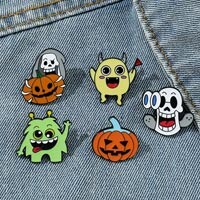
- Autumn: A surprise Halloween drop arrives with a rare glow-in-the-dark variant. Mara hasn’t saved for a high-demand piece, but she uses a small reserve to attempt a purchase. The pin sells out in minutes; she receives a restock notification later and acts quickly to secure a backup variant she loves equally.
Over the year, Mara grows a robust spreadsheet tracking edition sizes, price trends, and display ideas. She learns to recognize which releases align with her collection’s identity and which are more aspirational. The result isn’t just a growing rack of pins, but a well-curated story that’s shared with a community that understands the language of enamel and artistry.
Closing Thoughts: Finding Joy in Seasonal Drops and Rare Finds
Seasonal drops add a pulse to the enamel pin world. They create moments of anticipation, suspense, and delightâ€"moments that become memories when you share them with others. The thrill of a hard-won release, the quiet satisfaction of a well-curated display, and the ongoing thrill of discovering new artists all contribute to a vibrant, evolving hobby. By approaching drops with a plan, resisting impulse purchases, and investing in quality over quantity, you’ll build a collection that feels personal, resilient, and endlessly entertaining.
Remember: the goal isn’t to own every pin, but to cultivate a meaningful, sustainable relationship with the pieces you love. Treat your collection as a living storyâ€"one that grows with you, introduces you to new friends, and carries the fingerprints of your favorite artists across time and space. Whether you’re chasing your first seasonal drop or expanding a decades-long study in color and form, the enamel pin world rewards curiosity, patience, and generosity.
Further Resources: Where to Start and Where to Look
If you’re eager to dive deeper, here are starting points that many collectors have found helpful:
- Artist and brand channels: Follow your favorite makers on Instagram, TikTok, and their official websites. Sign up for newsletters and join official Discord or Telegram groups when available.
- Community hubs: Look for local pin meetups, library or coworking events, and online communities where members trade experiences and pin stories. The shared knowledge is as valuable as the pins themselves.
- Market trackers and price guides: While not all pins have established price guides, you can learn a lot by comparing edition sizes, release dates, and final sale prices on trusted marketplaces and forums.
- Care and display tutorials: Numerous creators and hobbyists share best practices for storage, cleaning, and mounting. Adopting a standard approach helps keep your collection pristine for years to come.
As you explore, keep your curiosity alive. Each drop is a new design, a new story, and a new chance to meet fellow collectors who share your enthusiasm. Seasonal drops and rare finds aren’t just about owning a piece of art; they’re about becoming part of a community that celebrates creativity, craftsmanship, and the small, joyful rituals that color our everyday lives.
LIKED THIS ARTICLE? SHARE IT: